
What this program involves
This ongoing stewardship program brings practical environmental education into teacher-supervised school activity. Suggested projects from the October 2026 concept proposal include: Energy audits; efficient lighting; energy-saving practices; solar with qualified partners. Each approved project should have a plan, baseline, safe responsibilities and evidence of results.
Possible school activities
- Conduct a classroom energy-use observation with teacher supervision.
- Design safe awareness materials on switching off unused equipment.
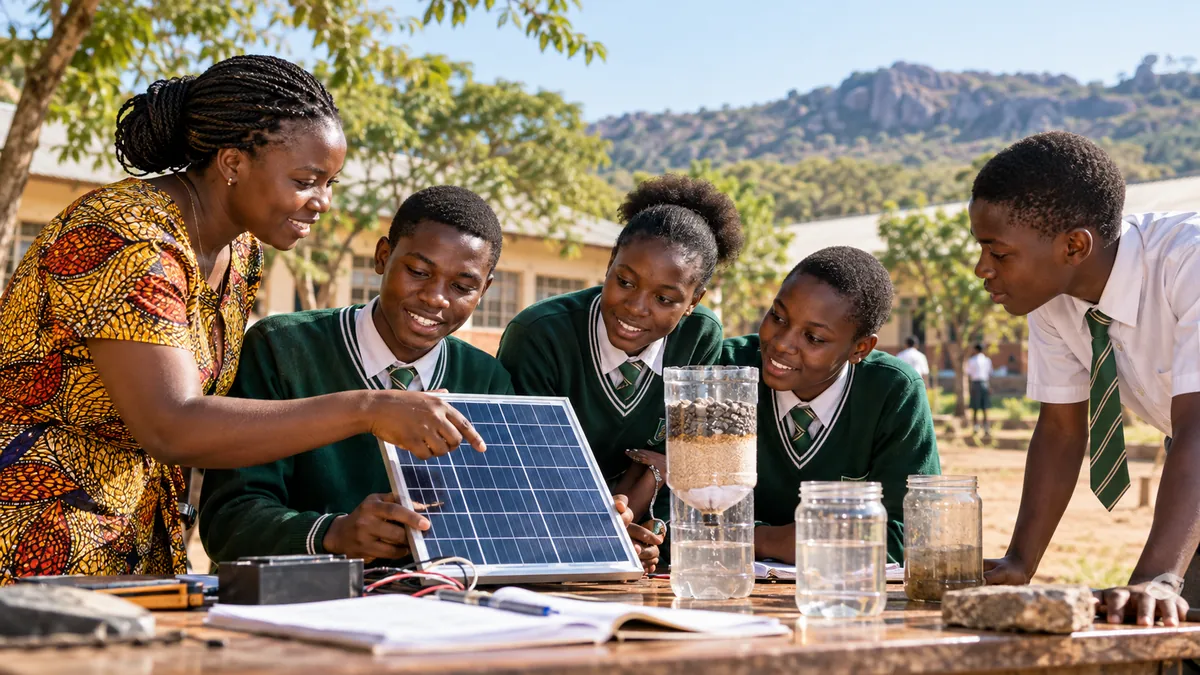
- Demonstrate solar-energy concepts using classroom-safe learning kits.
- Compare estimated energy use before and after a defined change.
What schools could measure
- Kilowatt-hours saved or generated and defensible estimates of emissions avoided.
- Metered kWh changes when suitable data exists
- Assumption-based carbon estimates clearly labeled as estimates
How progress could be recognised
Students keep learning records and safe project evidence. Teachers review the records against clear criteria. Recognition can celebrate effort, improvement, teamwork and documented environmental outcomes without equating a badge or competition score with a carbon credit.
From stewardship program to measurable project
A school can run this program throughout the year while choosing specific projects to implement in phases. Example activities: Energy audits; efficient lighting; energy-saving practices; solar with qualified partners.
Indicators to record: Kilowatt-hours saved or generated and defensible estimates of emissions avoided. All reported results require a documented baseline and teacher review.